A Simple Eyes-Open Sensory Pause for an Ordinary Busy Day
A sensory pause here means noticing a few ordinary details around you while remaining comfortably present in a safe place. It is an optional everyday activity, not treatment for trauma, dissociation or a mental-health condition. No special count or closed-eye posture is required. Keep the arrangement modest and flexible. If the exercise feels uncomfortable, stop and choose something else.
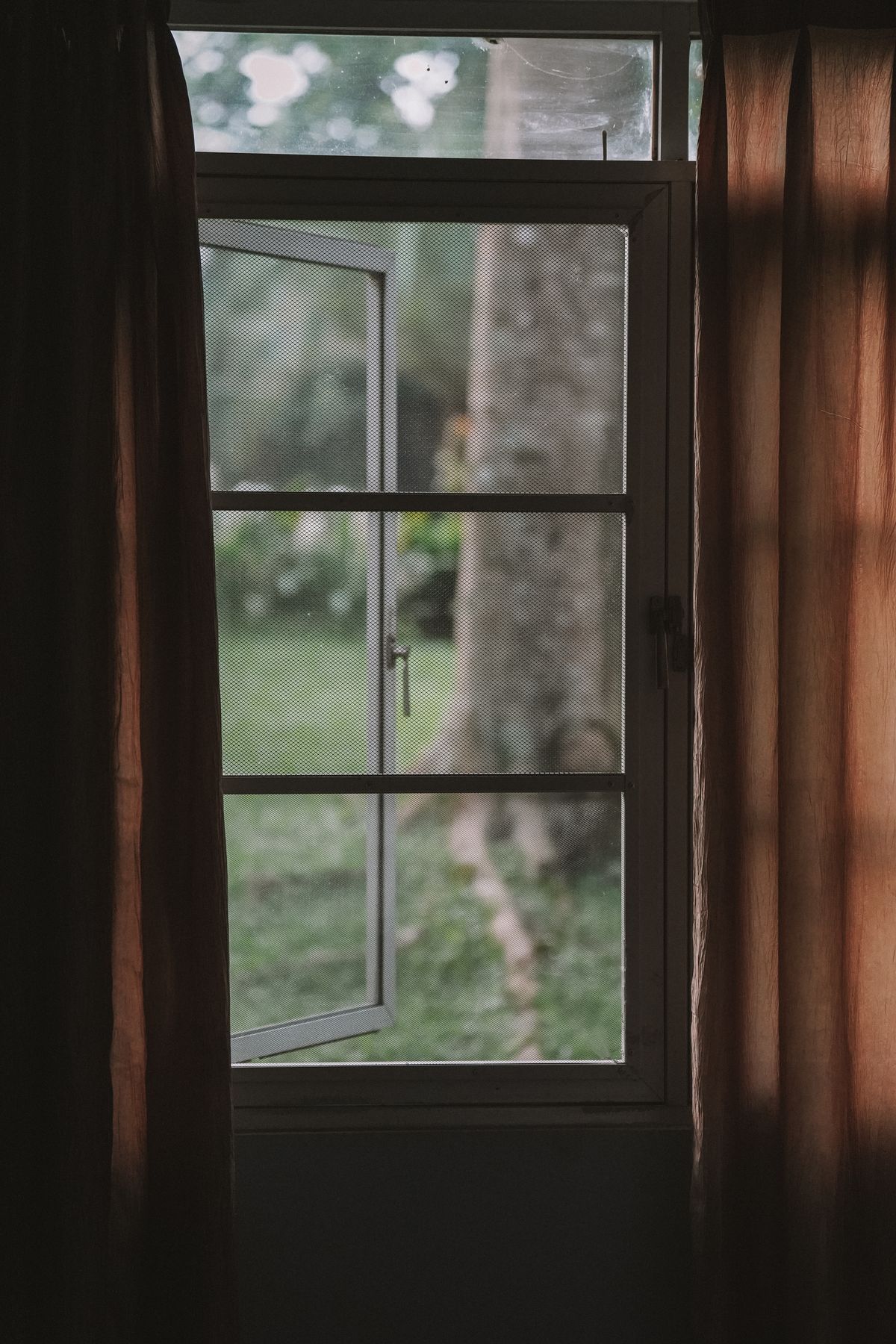
Photo: Pexels · Pexels License. Illustrative photograph of the subject; not a tested result, current condition report or endorsement. Display may crop the original.
Choose an ordinary safe setting
Pause where you do not need to divide attention with driving, hazardous work or essential supervision. A chair near a window or a quiet part of a room may fit. You do not need a picturesque landscape. The setting’s practical safety matters more than whether it looks soothing in a photograph. Keep your eyes open if that is comfortable and preserve awareness of the people and responsibilities around you.
Start with one neutral visible detail
Notice something ordinary such as the shape of a mug, the edge of a table or the movement of leaves outside. You do not need to label the object beautiful or make yourself grateful for it. This is a small attention shift, not a test of positivity. If looking at one object feels awkward, let your view remain broad instead of forcing a fixed gaze.
Add another sense only if welcome
You might notice an ordinary sound or the support of the chair without searching for a dramatic sensation. There is no requirement to work through all five senses or reach a particular count. Do not introduce a taste, fragrance or touch that is unsuitable for the setting or uncomfortable for you. An exercise can remain simple. The purpose is not to produce a complete sensory inventory or prove that you are grounded correctly.
Let breathing remain ordinary
This pause does not require changing the breath, holding it or following a timer. If attention to bodily sensations feels uncomfortable, keep the focus on the external surroundings or stop. Do not assume that a stronger internal experience means the exercise is working better. For specific breathing guidance, use an appropriate source or clinician’s instructions rather than combining techniques casually because they appear under the same wellness label.
Avoid turning noticing into analysis
You can observe that a sound is present without explaining why it affects you or judging every reaction. Do not use the pause to search for hidden meaning in ordinary sensations. It is not a diagnostic test. If thoughts return to the day, that is not evidence of failure. You can notice one more neutral detail or simply end. The activity should not require an argument with your own attention.
Keep stopping easy
End when you want to return to the next ordinary activity. Do not wait for complete calm or a particular bodily shift. If the exercise increases distress, stop and consider a different low-pressure option. NCCIH notes that relaxation practices have limits and do not suit everyone. Persistent or significant distress deserves appropriate support rather than a stronger self-directed technique borrowed from a video that claims to release trauma.
A hypothetical window pause
Imagine an adult taking a brief safe break at home. They notice the outline of a tree through the window, hear an ordinary distant sound and feel the chair’s support only if comfortable. They then return to making a meal. The example is an attention activity, not a tested grounding protocol, a clinical treatment or proof that a specific sequence changes a stress biomarker.
Use the option without making it compulsory
Keep the pause among several possible activities, such as reading, music or an appropriate walk. Do not require yourself to complete it whenever you feel unsettled. NHS mindfulness information describes broader ideas about attention, but this article does not claim to deliver a formal mindfulness course or therapy. If everyday options are not enough, seek appropriate help. Choice and comfort are more useful here than achieving a perfect exercise record.
Your working checklist
Checkmarks stay in this browser when storage is available. They do not submit information or complete a purchase.
Put it into practice
- Choose a safe moment without compromising essential attention.
- Notice one neutral external detail without demanding a positive feeling.
- Add an ordinary sound or support sensation only if comfortable.
- Leave breathing natural rather than forcing a pattern.
- Avoid analyzing every sensation or grading concentration.
- Stop whenever the exercise feels unsuitable or the pause is complete.
- Return to an ordinary activity and seek support for persistent distress.
Before you finish
- No closed-eye posture or fixed sensory count is compulsory.
- The activity is not called trauma treatment or a diagnostic test.
- The reader is not asked to endure distress for a promised breakthrough.
- Ordinary breathing and environmental awareness remain available.
Common questions
Do I have to count five things?
No. This guide uses a flexible ordinary observation, not a mandatory numbered protocol. One neutral detail can be enough for the activity’s modest purpose.
Should I close my eyes?
Not required. Keep them open if that feels comfortable and appropriate, and preserve the awareness your setting needs.
Can this treat trauma or dissociation?
No. The article does not provide treatment instructions for those concerns. Seek a qualified professional for assessment and suitable support.
What if focusing on sensations makes me uneasy?
Stop or choose another activity. An optional pause should not become a challenge to endure discomfort or prove that you can relax correctly.