How to Choose a Low-Pressure Hobby for a Restful Evening
A low-pressure hobby can be a way to spend an evening with something you enjoy. It does not need to become a side business, a public skill demonstration or a treatment for stress. This guide helps you choose a manageable starting point. The activity examples are original suggestions, not a claim that one craft has been clinically proven best for every person.
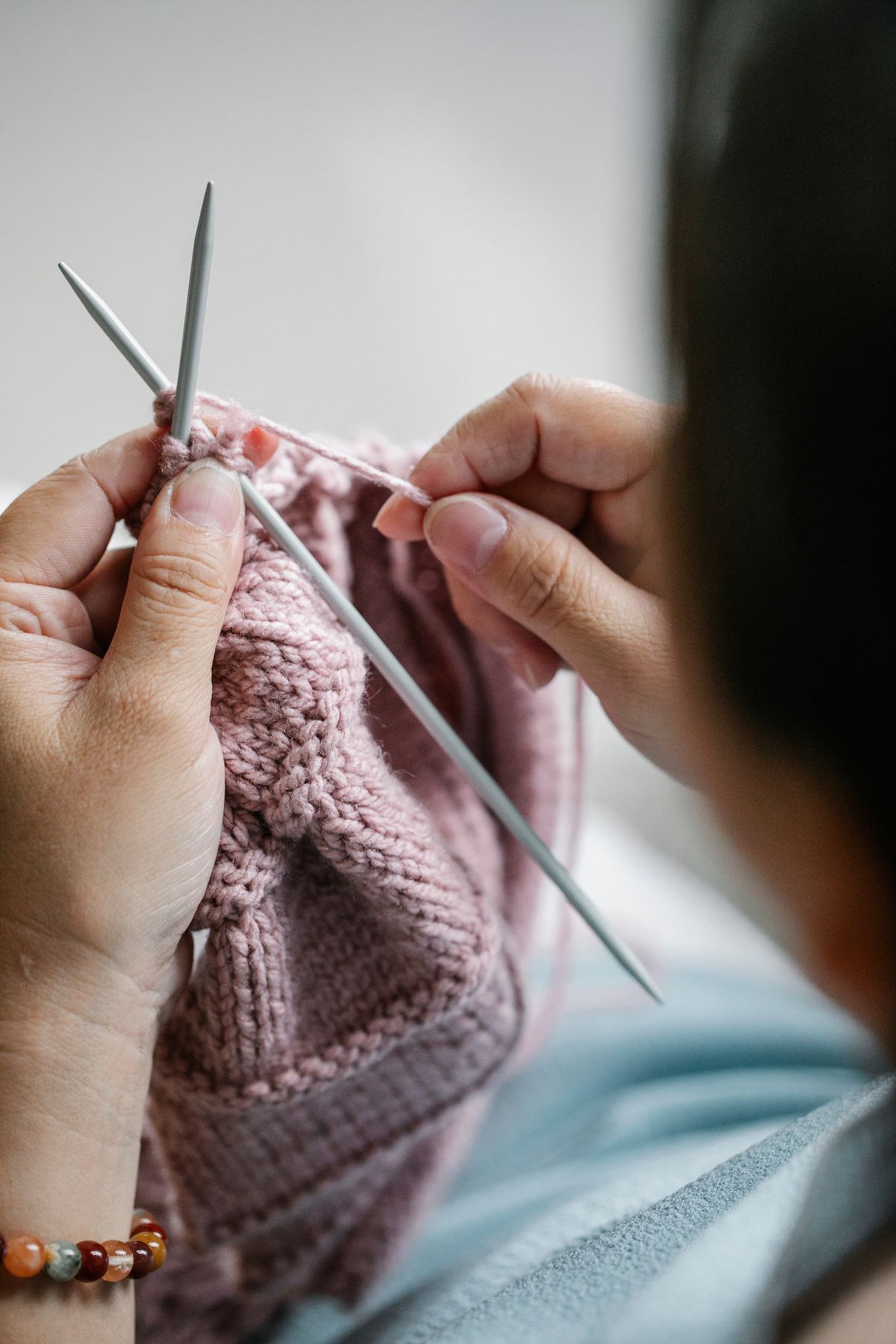
Photo: Pexels · Pexels License. Illustrative photograph of the subject; not a tested result, current condition report or endorsement. Display may crop the original.
Start with what feels inviting
Think about activities you enjoy doing, not only finished objects you admire online. Drawing a simple shape, knitting a familiar pattern, reading about a subject or arranging photographs may appeal for different reasons. Do not choose a hobby solely because it looks calming in a staged image. A quiet-looking activity can still feel frustrating to you. The relevant question is whether the process itself seems welcome on an ordinary evening.
Match the effort to available energy
Consider setup, cleanup, concentration and physical demands. A project that requires an hour of preparation may not suit a short evening even if you love it on a weekend. Choose a smaller version rather than treating limited capacity as lack of commitment. If a movement or tool use causes discomfort, adapt appropriately or choose something else. This article does not provide medical advice about repetitive strain or prescribe a craft as therapy.
Use a small starter scope
Define a first session that can end cleanly: one sketch, a few familiar rows or sorting a small set of photographs. The endpoint is practical, not a challenge to produce something impressive. Avoid buying a complete collection before learning whether you enjoy the basic process. A starter scope should let you try the activity without creating a large unfinished obligation that occupies the room and your attention for weeks.
Check materials and safety simply
Use tools and materials according to their directions, with appropriate storage away from children or pets where needed. Do not assume a craft is harmless because it is marketed as relaxing. Some projects involve sharp tools, heat or chemicals and need their own precautions. For an ordinary restful evening, a familiar low-complexity option may fit better than a technique requiring specialist ventilation or unfamiliar equipment.
Keep comparison out of the first session
You can learn from a reliable tutorial without measuring your first attempt against a creator’s edited portfolio. Do not require the result to be shareable. A hobby can remain private, imperfect and unfinished for now. If instruction is useful, choose one clear source rather than opening many conflicting demonstrations. The goal is an enjoyable process, not proving that you mastered a skill quickly enough to justify spending time on yourself.
Protect the activity from unwanted monetization
If you want a hobby rather than a business, keep sales targets and audience growth out of the plan. Friends may suggest selling what you make, but that does not create an obligation. Income goals change the activity’s demands and may be welcome at another time, yet they are not required for leisure to be worthwhile. A quiet evening does not need a financial return or a public achievement to count.
A hypothetical starter evening
Imagine an adult interested in drawing who selects a pencil and a small page instead of ordering a full studio kit. They sketch one ordinary object, stop at a comfortable point and put the materials in a simple storage place. They do not post the result or grade it against an expert. The example illustrates scope and permission, not a tested intervention or a promise that drawing will suit everyone.
Review enjoyment rather than output
Ask whether the session felt inviting, manageable and worth trying again. Change the scope or choose a different activity if it did not. NIMH includes low-stress enjoyable activities among self-care options, but a hobby is not a substitute for needed mental-health care. Persistent distress deserves appropriate support. The useful outcome may be learning that you prefer reading to crafts, or that a familiar activity feels better than mastering something new after a demanding day.
Your working checklist
Checkmarks stay in this browser when storage is available. They do not submit information or complete a purchase.
Put it into practice
- Choose a process that interests you rather than only an attractive result.
- Match setup and concentration demands to the energy available.
- Define a small first session with a clean stopping point.
- Read relevant tool and material directions.
- Use one clear learning source without constant comparison.
- Keep sales or audience goals optional rather than compulsory.
- Review enjoyment and seek appropriate support if distress persists.
Before you finish
- The hobby is not described as clinical treatment.
- Materials are appropriate for the actual setting and safely stored.
- A first attempt is not measured against an edited expert portfolio.
- Leisure does not require income or public output to be worthwhile.
Common questions
Which hobby is best for stress?
No universal best activity is established here. Choose something you find welcome and manageable, and do not treat a hobby as a replacement for needed professional support.
Do I need a complete kit?
Not to explore whether you enjoy the basic process. Start with a small appropriate scope and expand only if it serves a genuine interest.
What if I am not good at it?
Skill is not the only purpose of leisure. Adjust the project, learn gradually or choose another activity without making the result a judgment of your worth.
Should I sell what I make?
Only if that is a separate goal you actually want. A suggestion from someone else does not turn an enjoyable private hobby into a business obligation.