
A Ten-Minute After-Work Transition That Does Not Become Another Chore
Close the workday with a short handoff to tomorrow, a practical boundary and one low-pressure change of activity.
Read the guide ↗Detailed everyday stress-relief and rest guides, including transitions, journaling, gentle routines and practical ways to make a pause.
Explore the practical toolkit ↗Twenty detailed guides.
Close the workday with a short handoff to tomorrow, a practical boundary and one low-pressure change of activity.
Read the guide ↗
Try gentle comfortable breathing in a safe resting position, without forced depth, competitive counting or breath-holding challenges.
Read the guide ↗
Use a short desk reset to capture the next action, remove one practical distraction and take an appropriate pause between tasks.
Read the guide ↗
Use a brief evening note to capture unfinished thoughts, identify tomorrow’s first action and stop without turning the page into self-criticism.
Read the guide ↗
Sort an everyday worry list by what can be acted on, what needs information and what currently has to wait.
Read the guide ↗
Review notifications by responsibility, urgency and usefulness before choosing a less interrupted arrangement.
Read the guide ↗
Reduce morning friction by preparing essentials, clarifying responsibilities and keeping optional rituals optional.
Read the guide ↗
Choose a manageable route, safe timing and a modest purpose for a walk between periods of screen-based work.
Read the guide ↗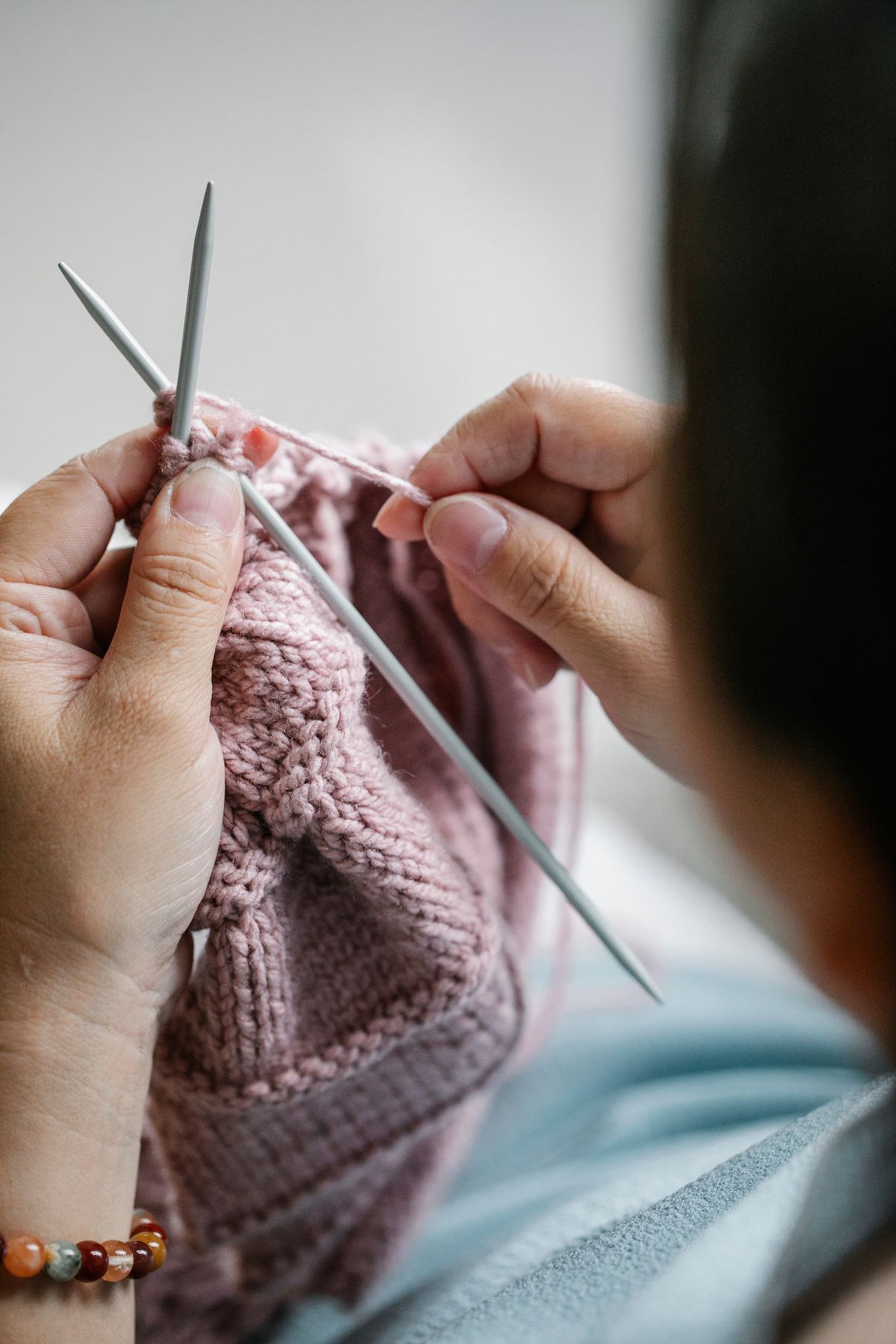
Choose a small hobby project by effort, setup, cost and enjoyment rather than turning leisure into another performance target.
Read the guide ↗
Plan a weekend with a few anchors, realistic obligations and protected open space instead of scheduling rest as another achievement.
Read the guide ↗
Make a small usable pause area through seating, storage and household agreements rather than expensive decor or a dedicated room.
Read the guide ↗
Choose a short intentional listening session with familiar music, manageable volume and fewer feed-based distractions.
Read the guide ↗
Use a brief eyes-open observation of an ordinary safe setting without forcing attention inward or promising a therapeutic reset.
Read the guide ↗
Make a specific low-pressure request for listening, practical help or company while respecting the other person’s capacity.
Read the guide ↗
Sort a crowded week into essential, negotiable and optional commitments, then make one realistic request or change.
Read the guide ↗
Build a small choice of familiar quiet activities before bed while keeping sleep expectations realistic and medical questions separate.
Read the guide ↗
Plan simple rest opportunities, practical essentials and realistic expectations for a long journey without turning travel into a wellness challenge.
Read the guide ↗
Create small caregiver breaks through explicit coverage, usable handoffs and practical support rather than assuming someone else is watching.
Read the guide ↗
Keep a small optional record of context, demands and responses to notice practical stress patterns without diagnosing yourself.
Read the guide ↗
Prepare clear observations, questions and access information when everyday self-care is not enough for persistent distress.
Read the guide ↗